Lower Extremity Exercises for Managing Edema
While exercising, remember:
- Take deep breaths during and after each exercise, and after each set of exercises
- Pace yourself – perform each exercise slowly
- Follow exercise directions as listed
- Notify your therapist if you have any questions or concerns
- Do not force movements that cause pain or discomfort
- Do not hold your breath while exercising
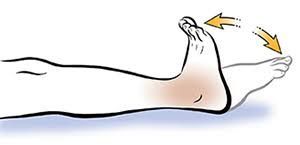
Ankle pumps
- Point your toes towards your nose and hold for 4 seconds
- Then point your toes towards the floor and hold for 4 seconds
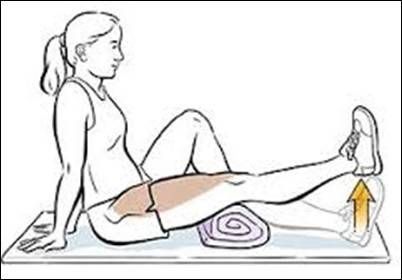
Quad squeeze or leg kicks
- If lying, squeeze your upper thighs down toward the bed while breathing out and hold for 2-3 seconds. Relax and breathe in.
- If seated, kick your leg forward and hold for 4 seconds. Slowly lower your leg and repeat exercise with opposite leg.
Glutal squeeze
- Squeeze your buttocks together while breathing out and hold for 4 seconds (pretend you are pinching a coin between your buttocks). Relax and breathe in.
Deep breathing
- Take a deep breath in through your nose. Expand your stomach out (let the air fill your belly). Pause. Purse your lips and slowly exhale your breath out.
- Try placing your hands on your stomach to feel it rise and fall with your deep breaths
When you are experiencing edema/swelling, remember:
- Avoid sitting for long periods of time. Moving the legs will help to move fluid and reduce swelling
- Change positions frequently and elevate leg(s) as much as possible
- These exercises are intended to increase blood flow in legs as much as possible.
- Performing these exercises from foot to knee to buttocks will help move fluid.
L. P. (n.d.). Lower Extremity Exercises for Managing Edema. Michigan Medicine. https://www.med.umich.edu/1libr/Homecare/MVN/LEEdema.pdf
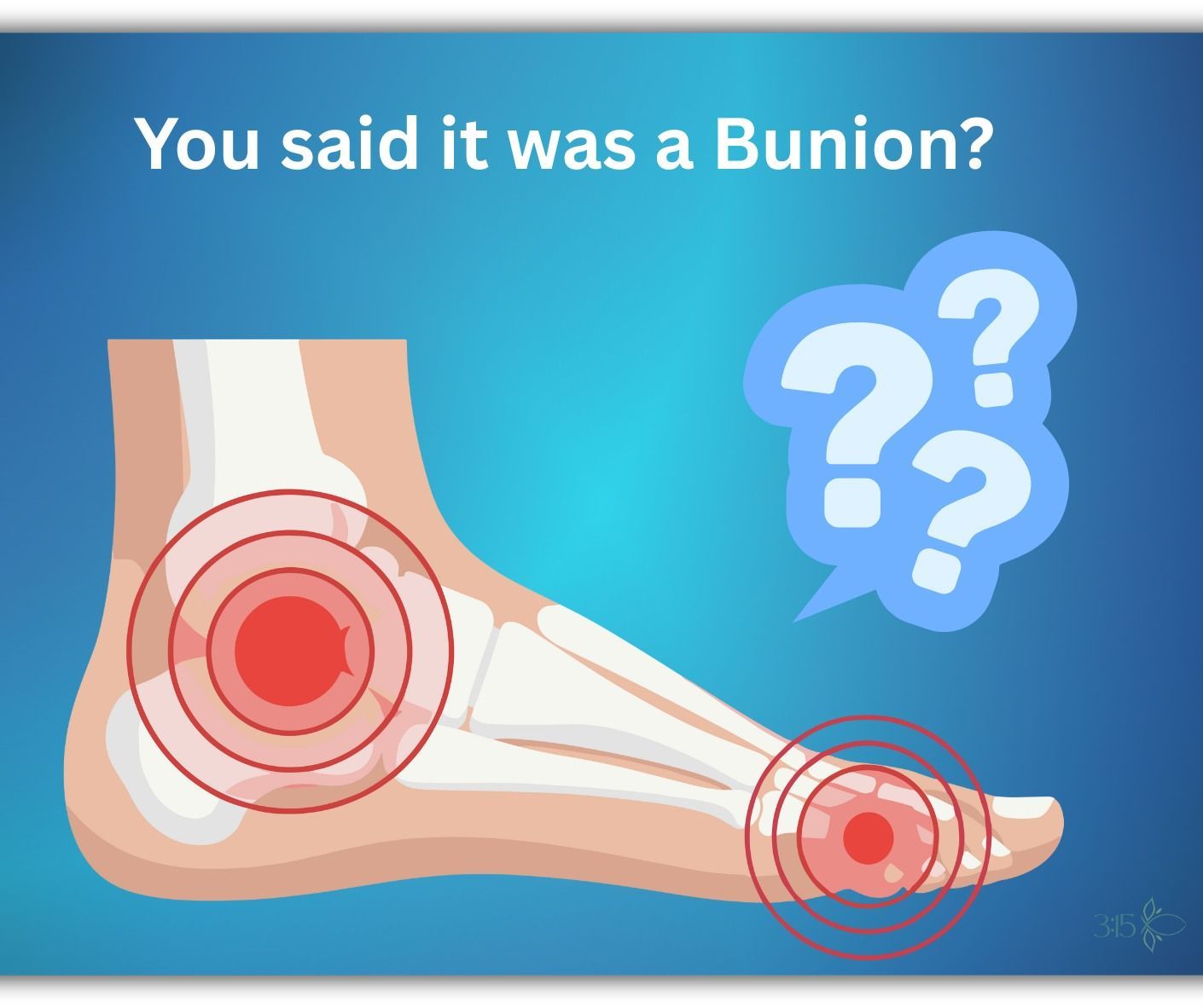
What is a Bunion?
How Can You Identify a Bunion?
Look for a visible bump on the inner side of your foot, often accompanied by redness.
You may also experience pain, swelling, or restricted movement in the big toe joint.
What Are the Treatment Options?
Non-surgical treatments include wearing wider shoes, using padding, and applying ice to reduce swelling.
For severe cases, surgical options may be necessary to realign the bones and restore function.
When Should You See a Doctor?
If you experience persistent foot pain or notice changes in your toe alignment, consult a healthcare provider.
Early diagnosis can help prevent further complications and improve your quality of life.
Can Bunions Be Prevented?
Wearing properly fitting shoes and avoiding high heels can help reduce the risk of developing bunions.
Regular foot care and monitoring any changes can also be beneficial.
What Are the Risks of Ignoring a Bunion?
Ignoring a bunion can lead to increased pain, difficulty walking, and potential deformity of the foot.
Addressing the issue early can prevent more serious complications down the line.
Are There Any Home Remedies?
Home remedies include soaking your feet, using ice packs, and wearing supportive footwear.
While these can provide temporary relief, they are not substitutes for professional treatment.